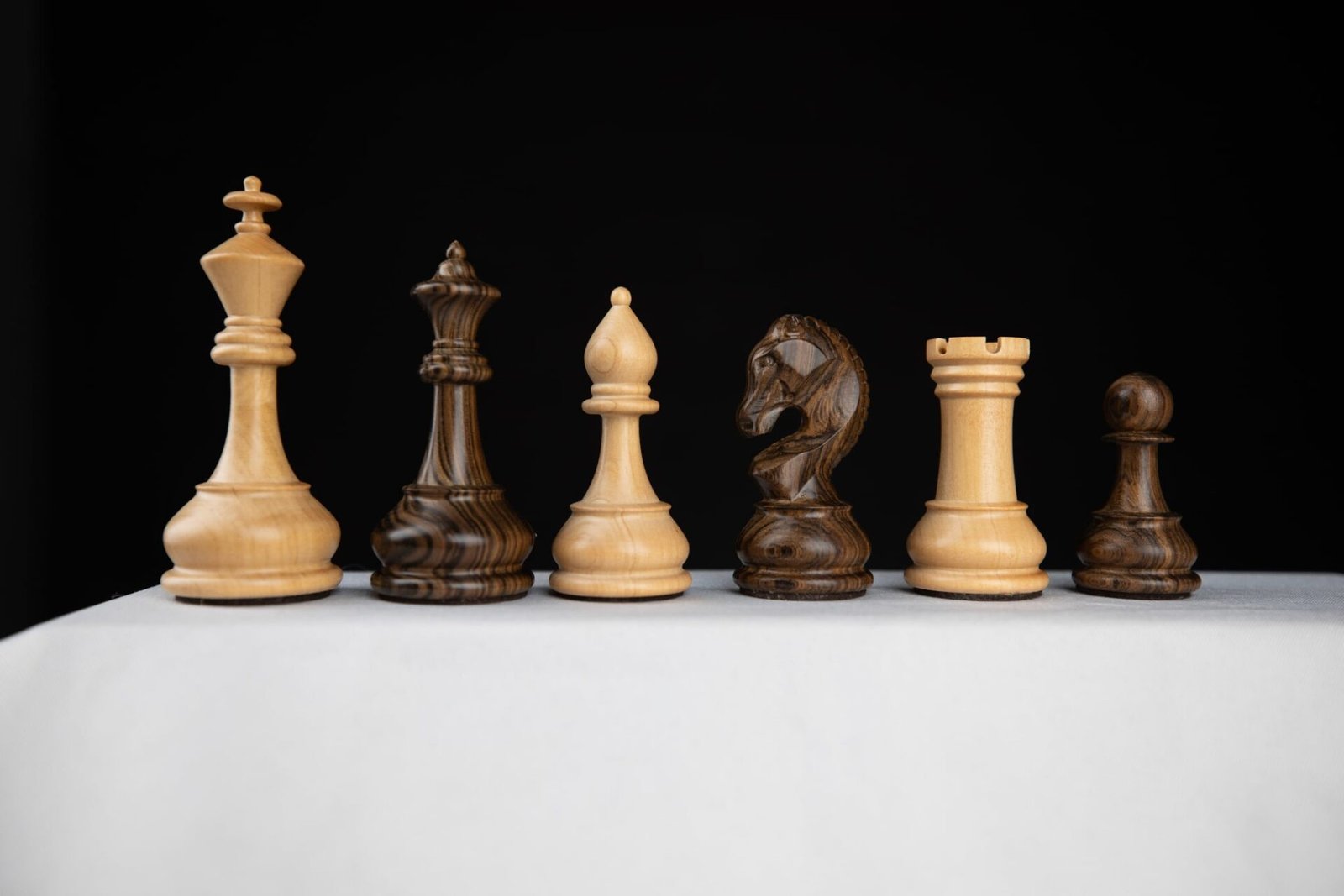
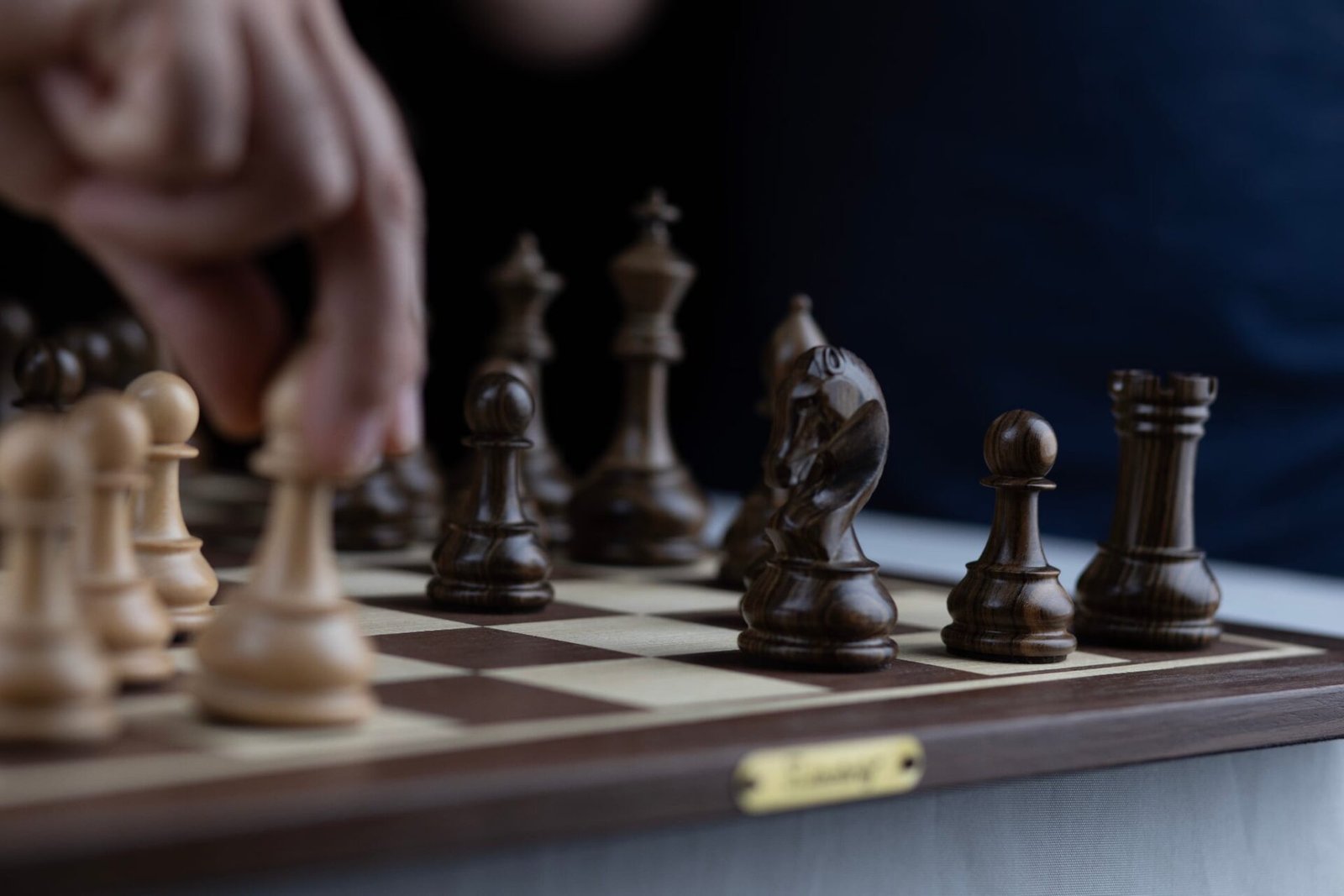
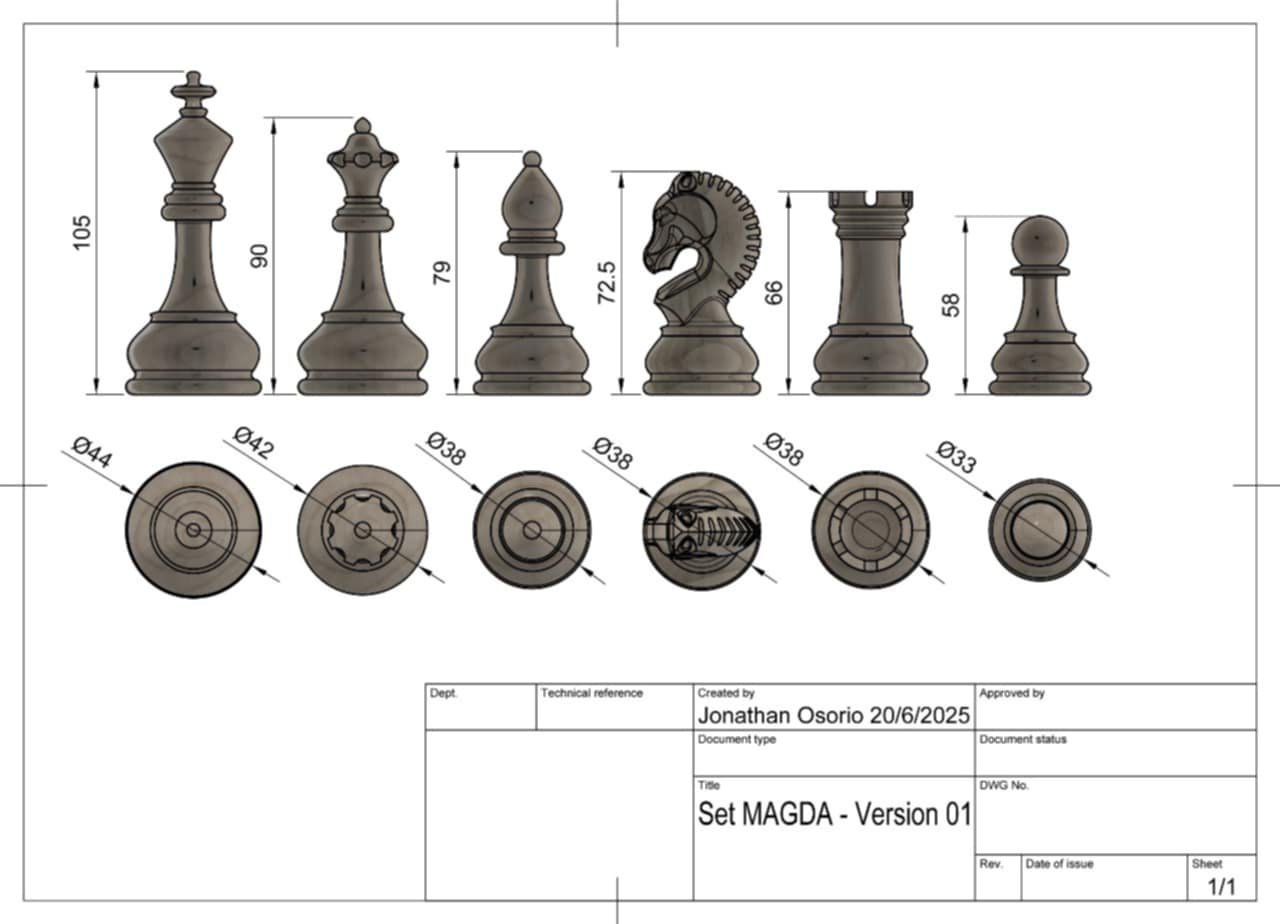
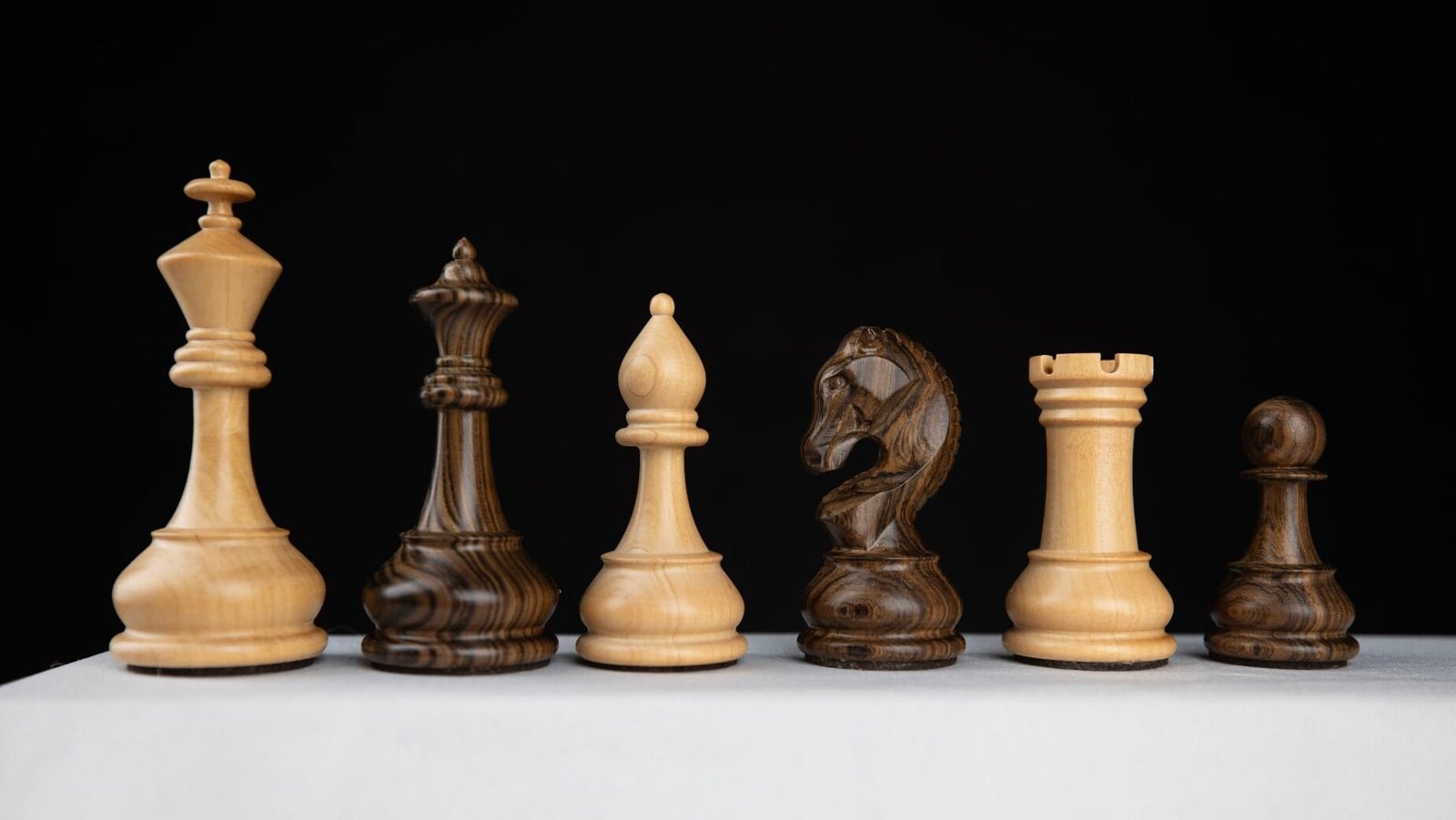
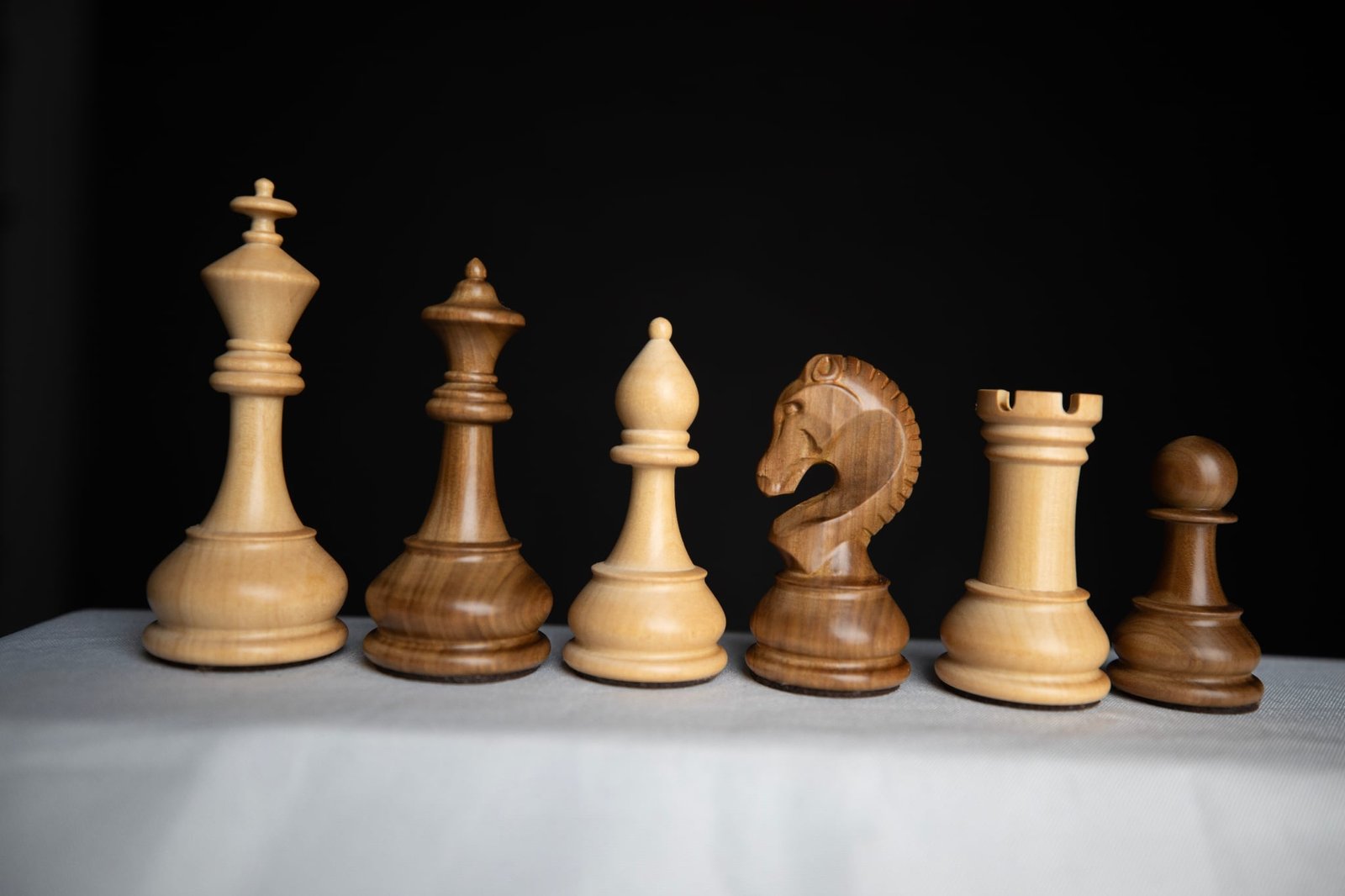
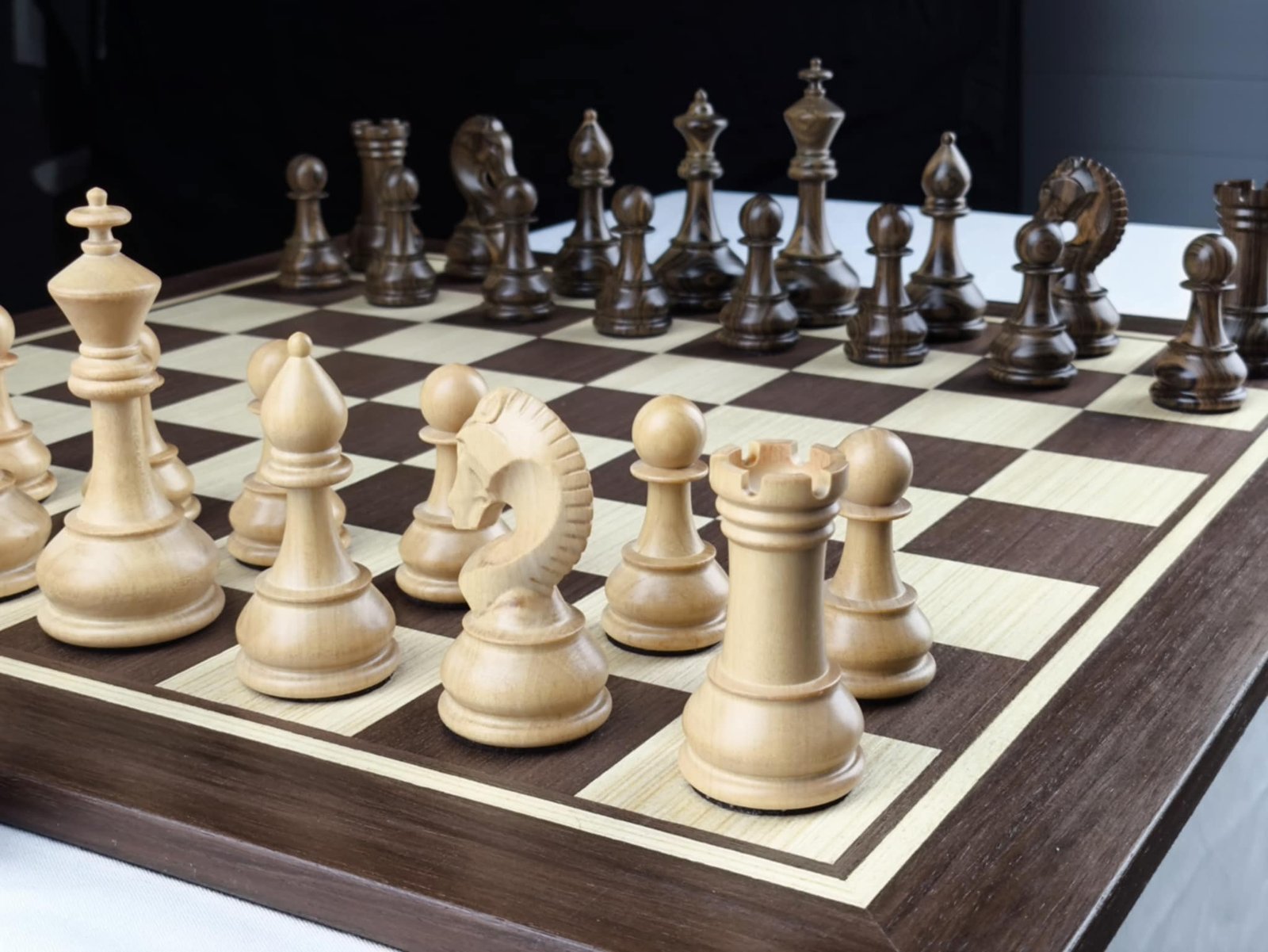
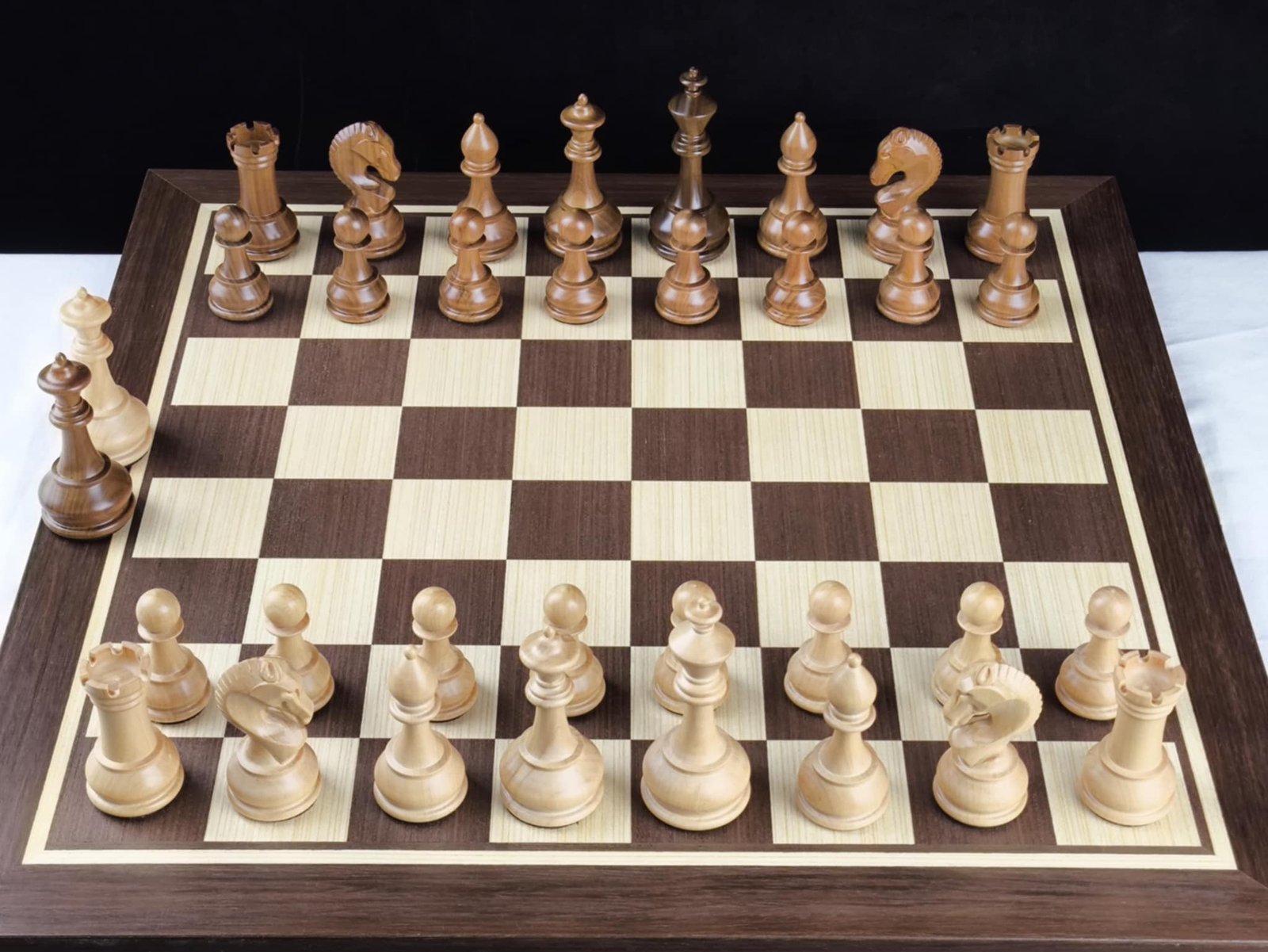
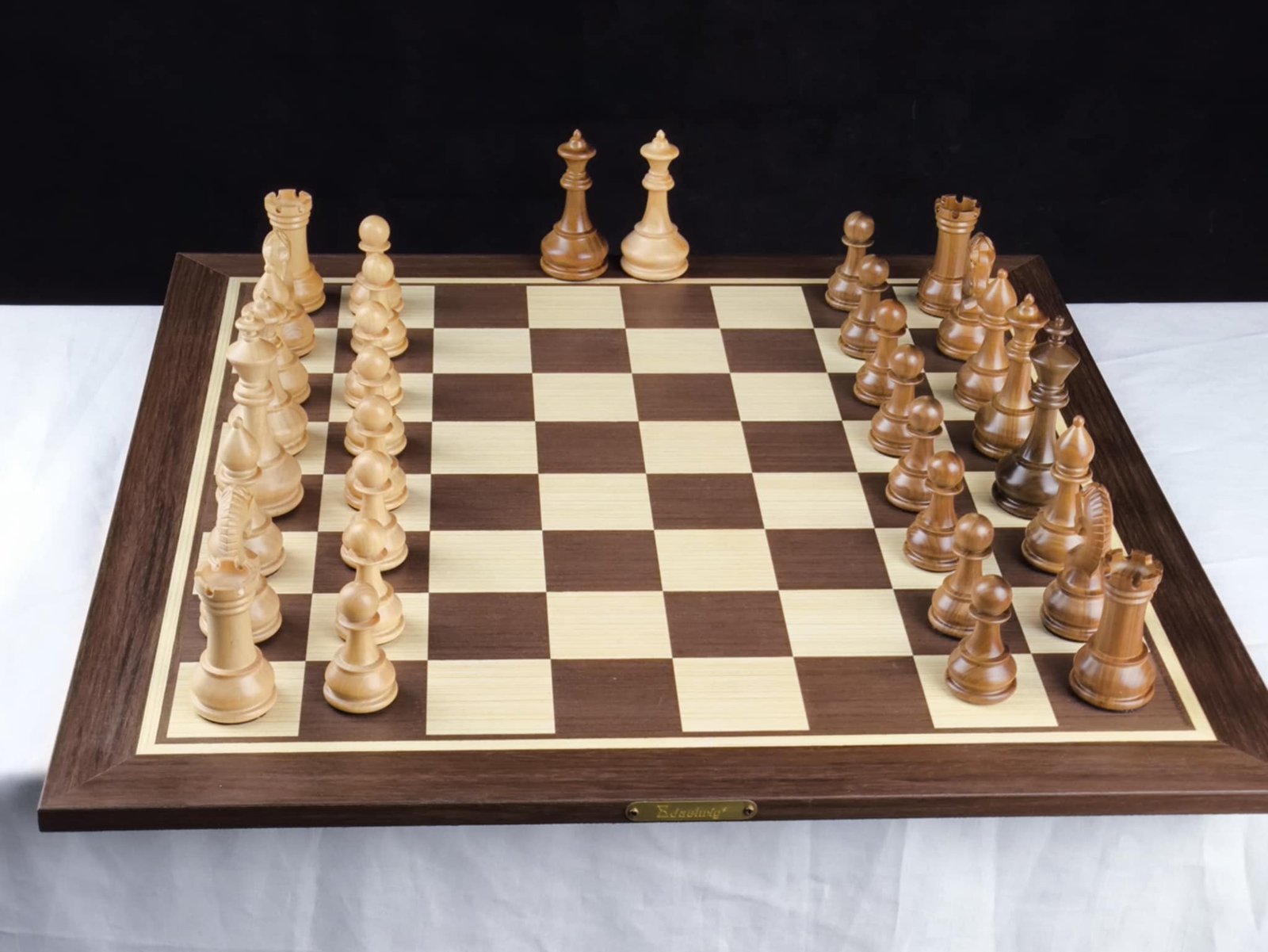
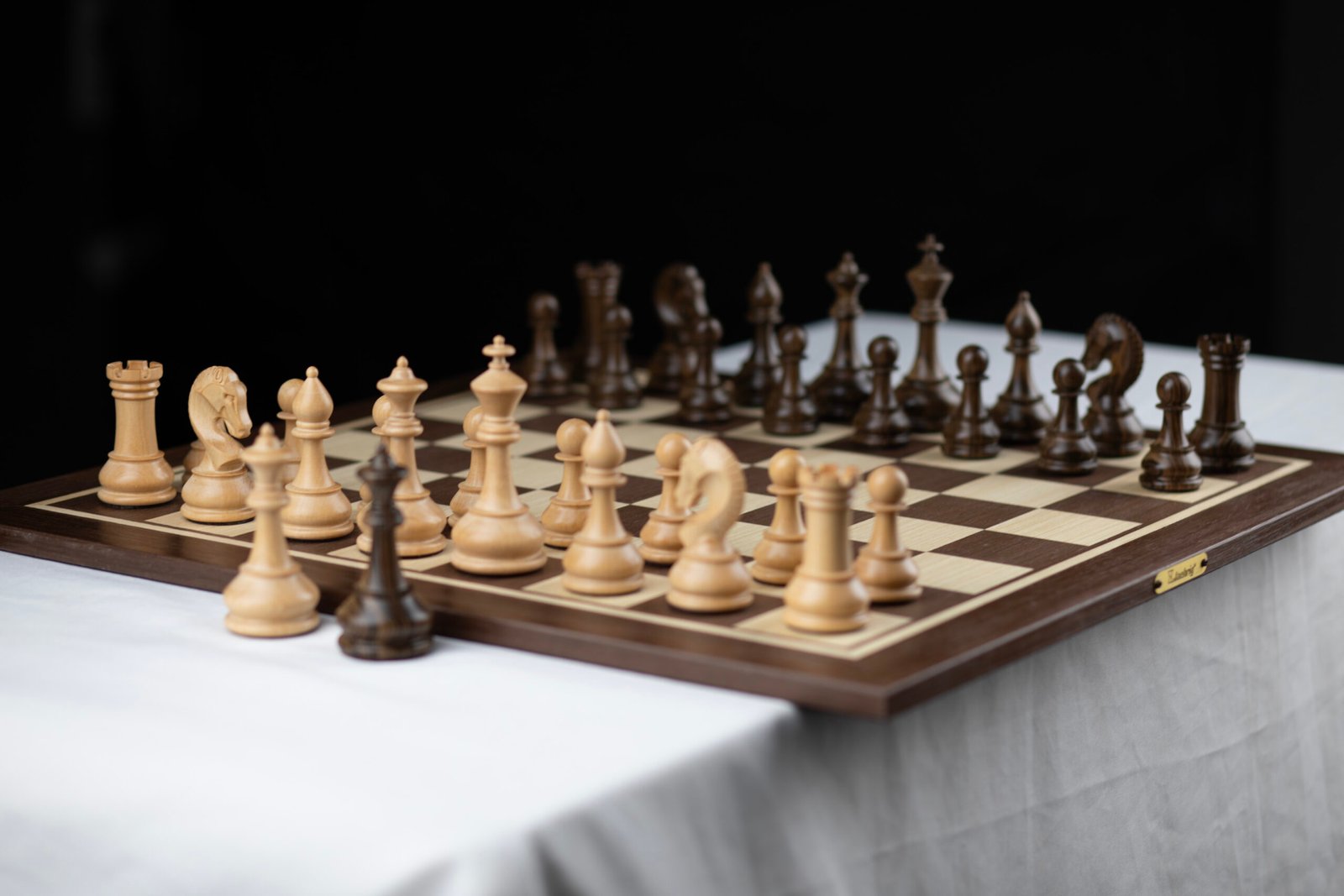
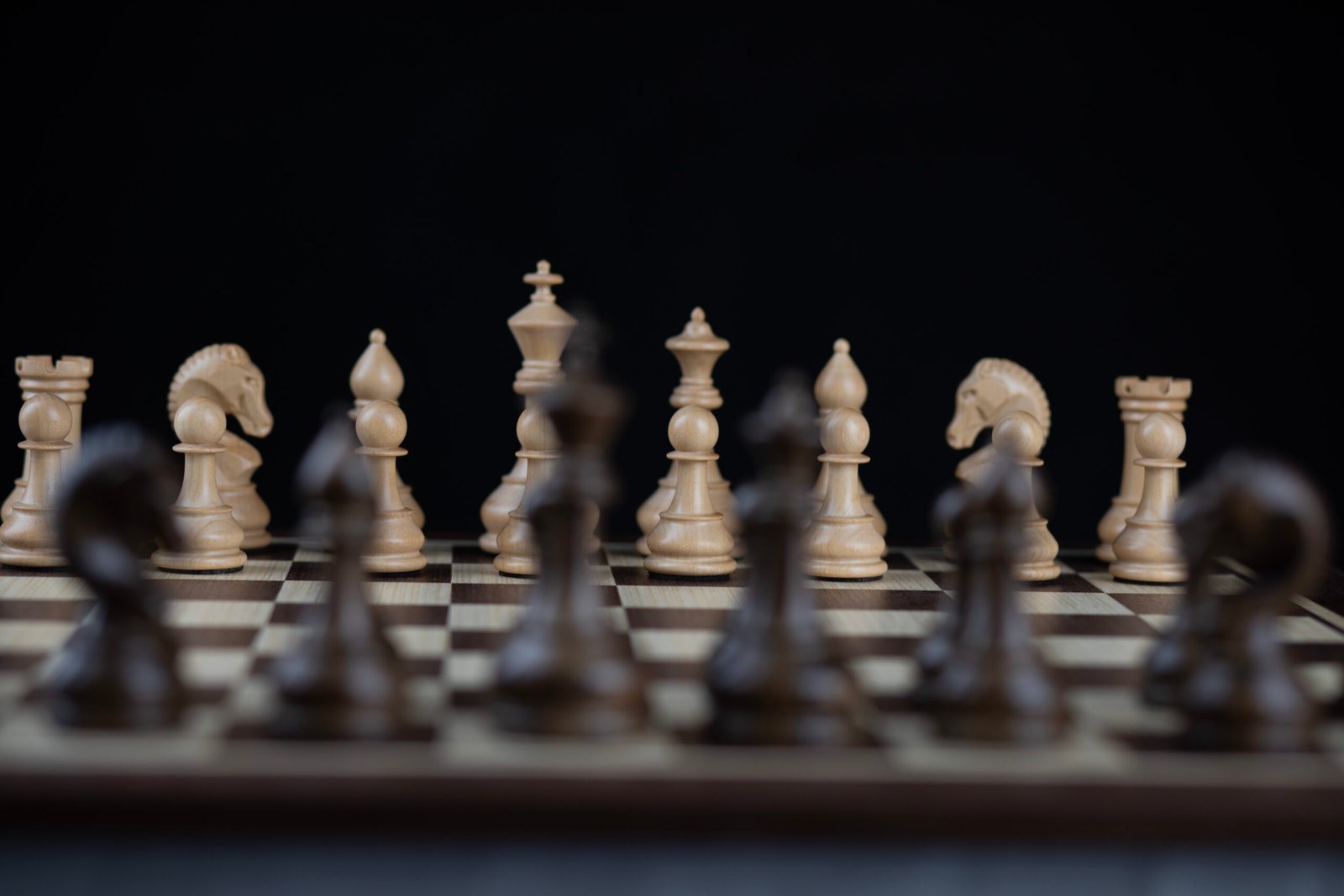
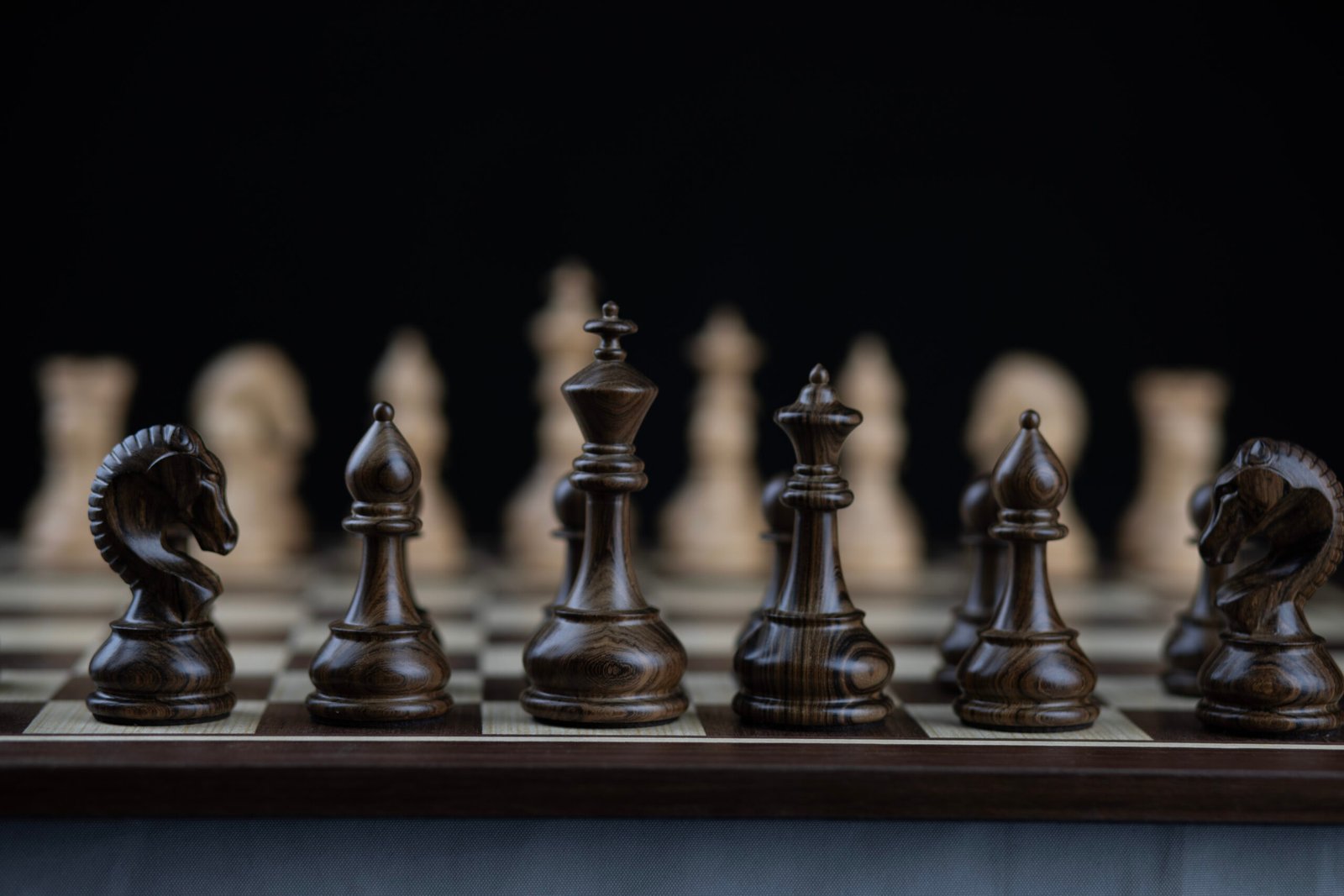
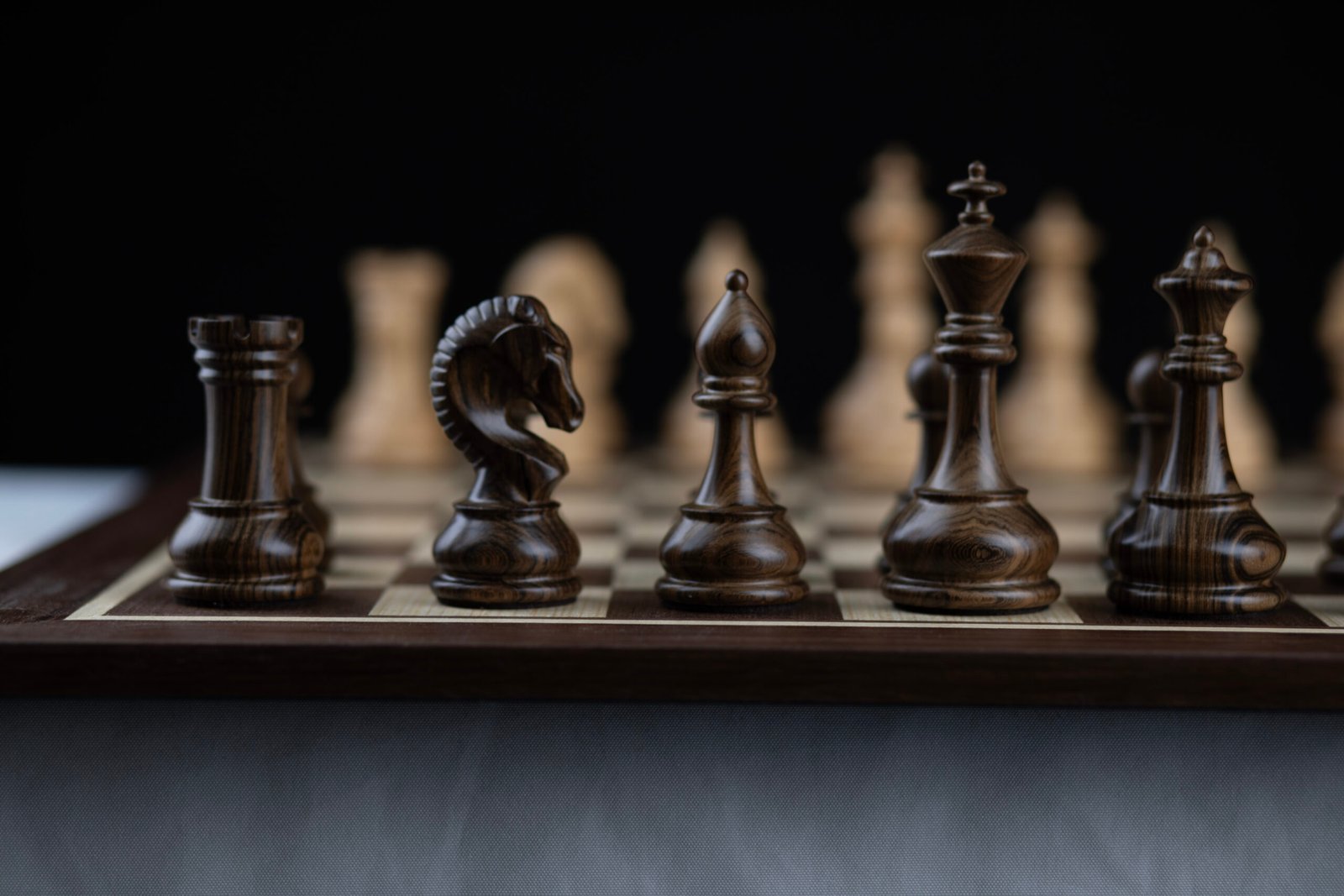
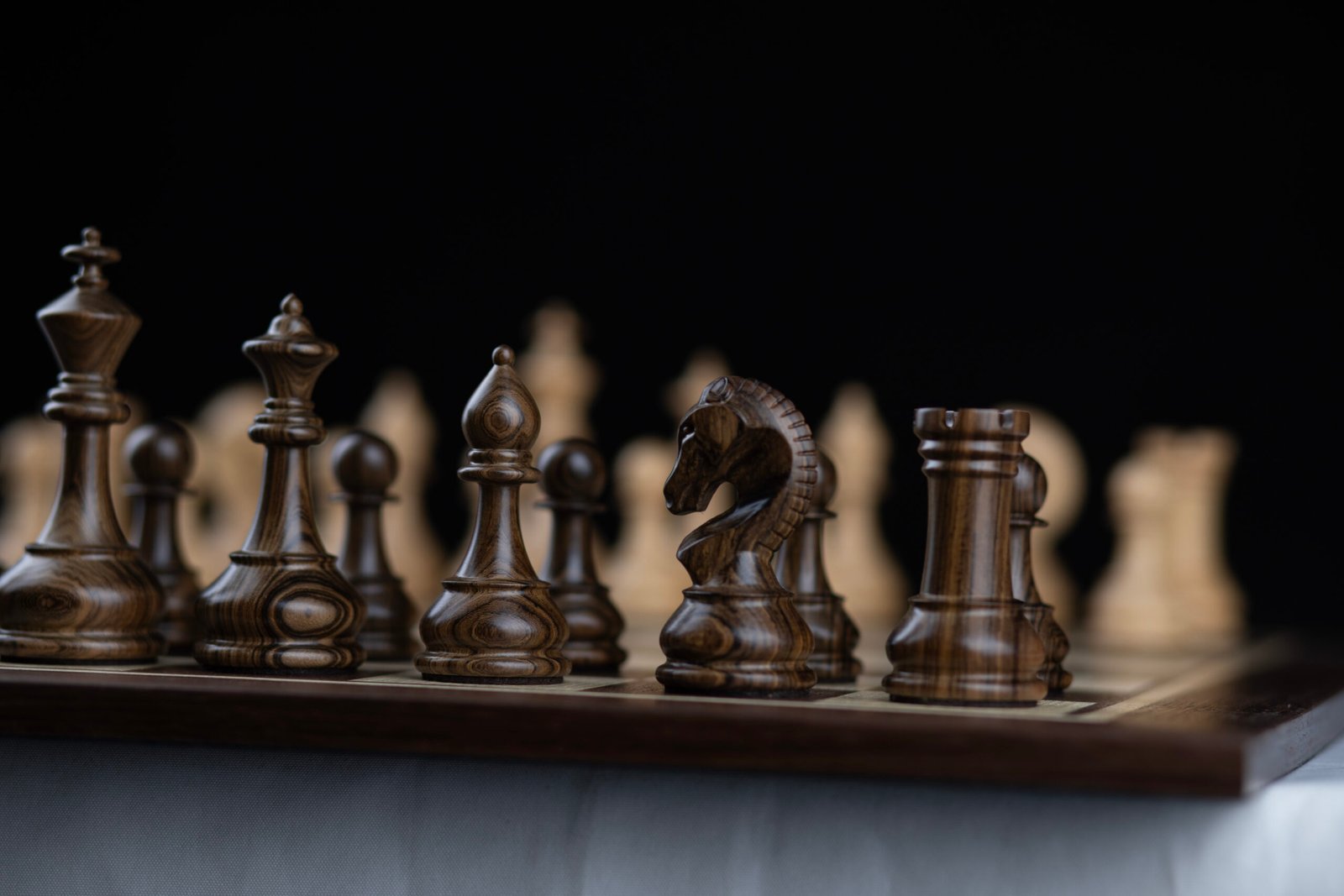
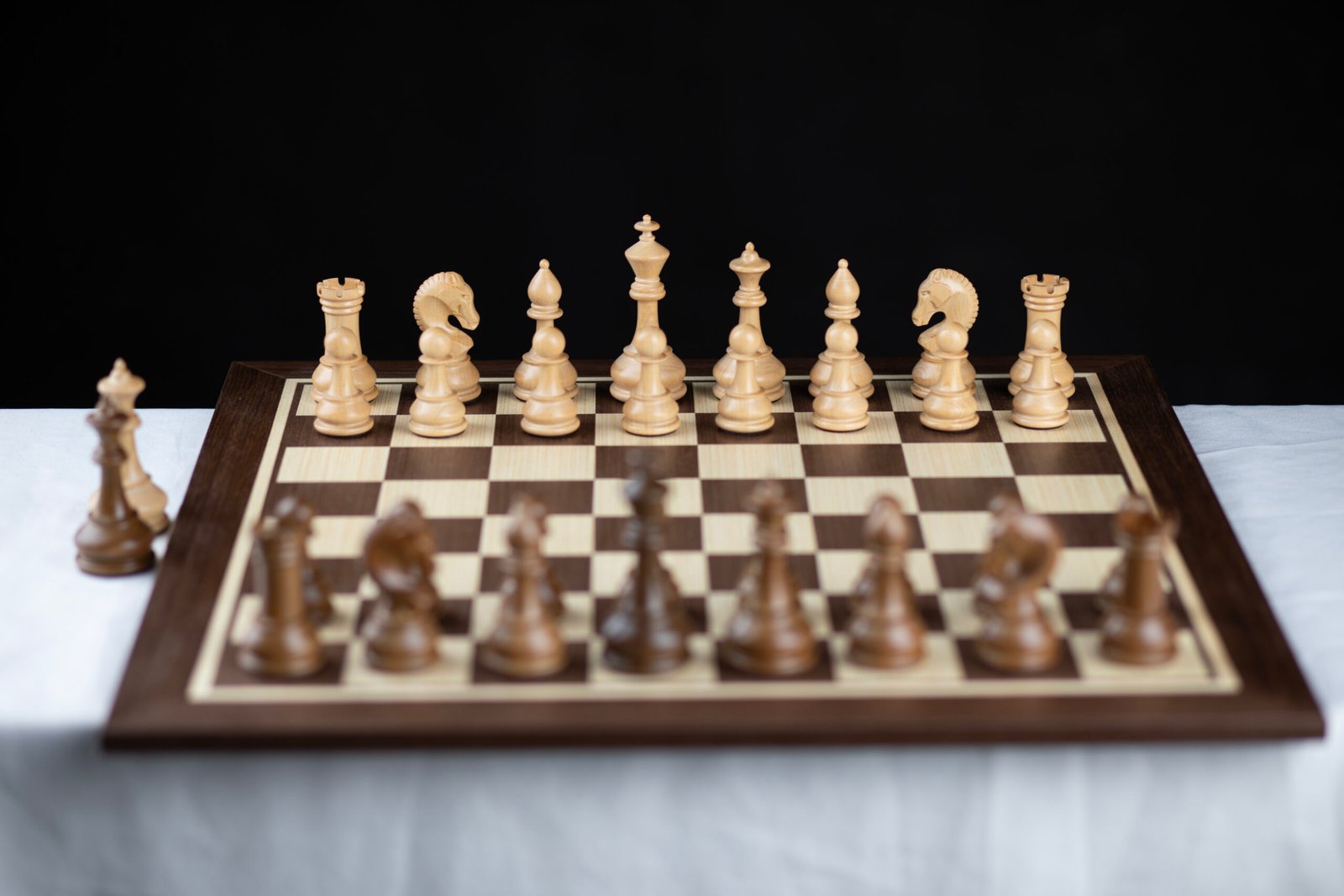
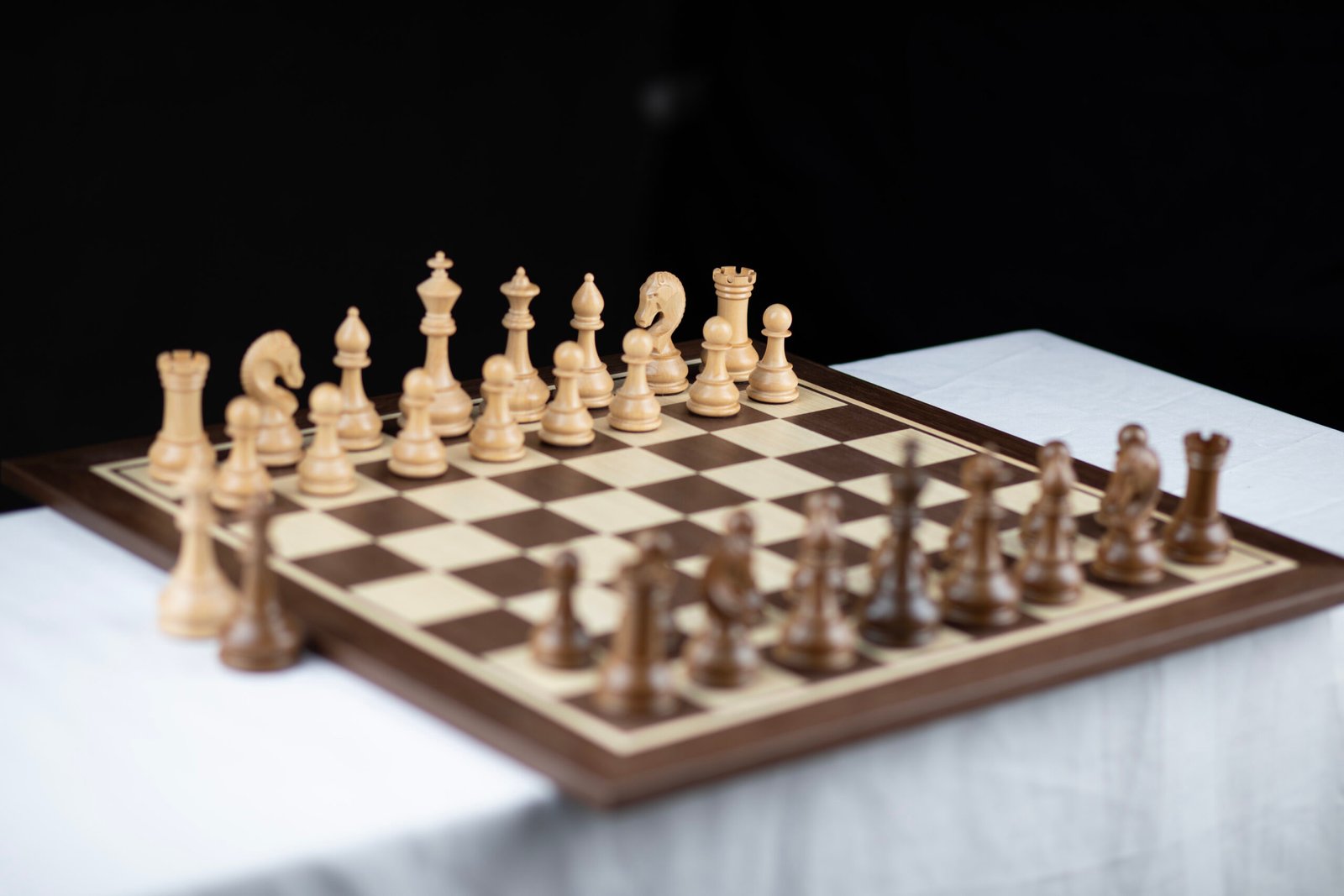
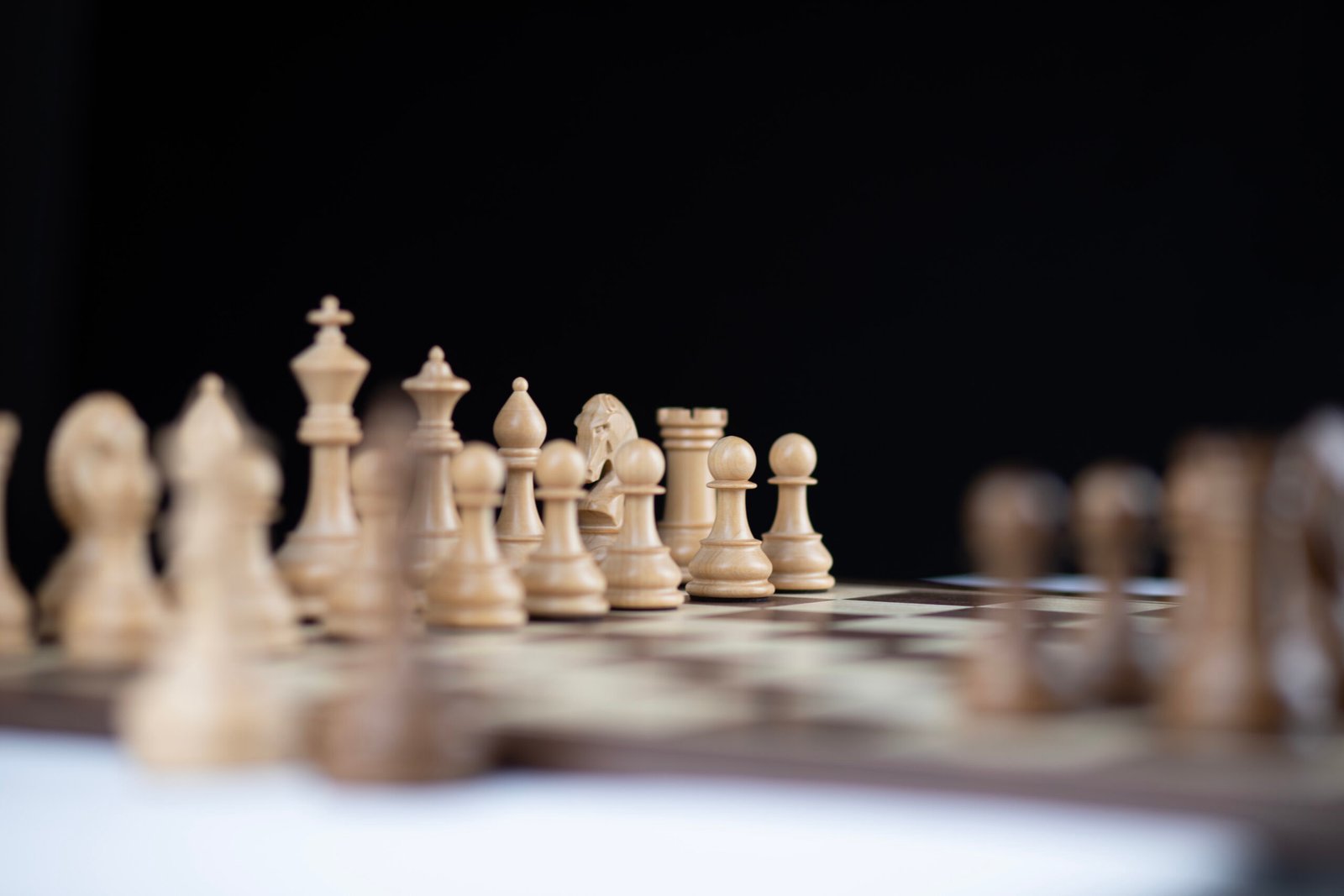
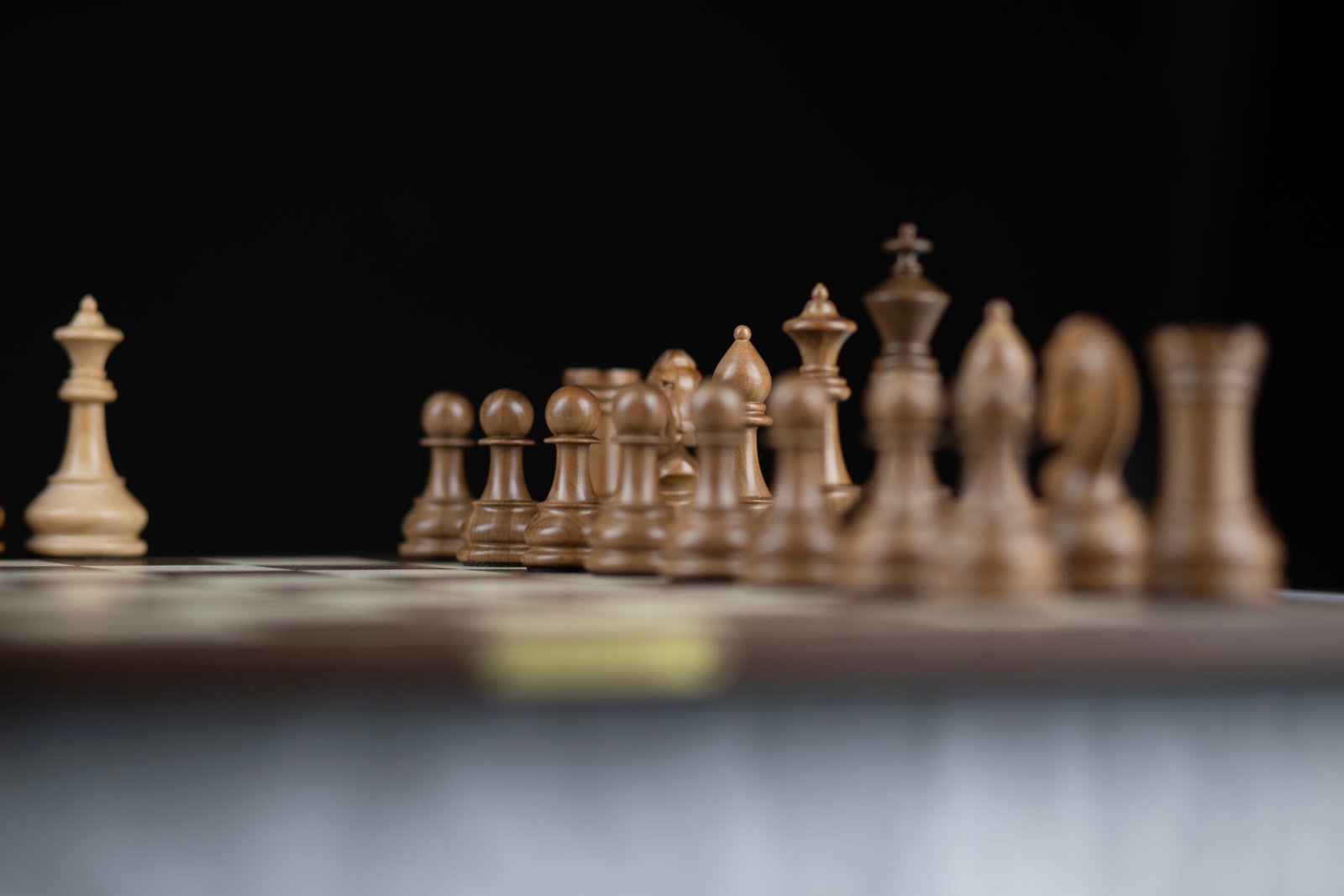
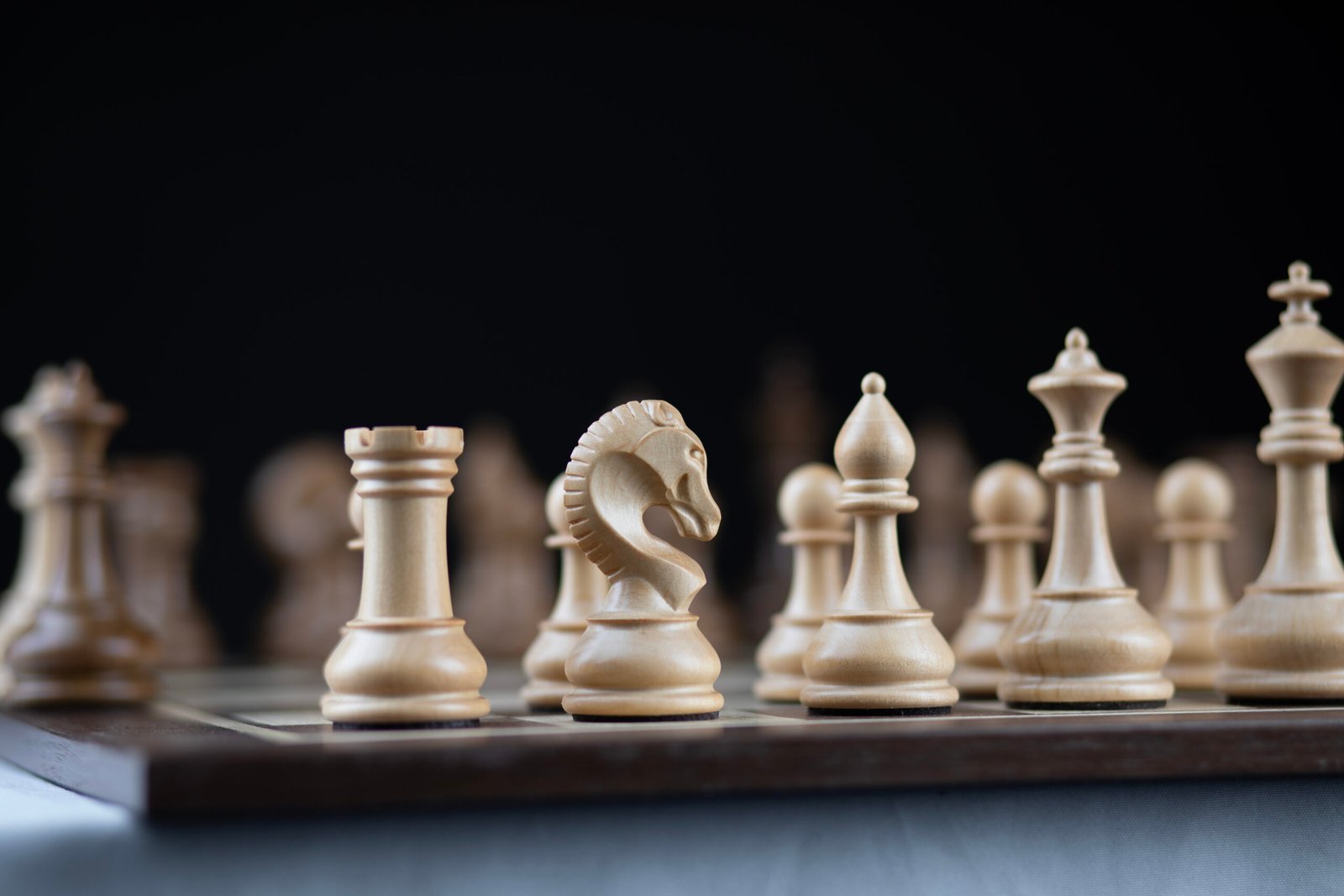
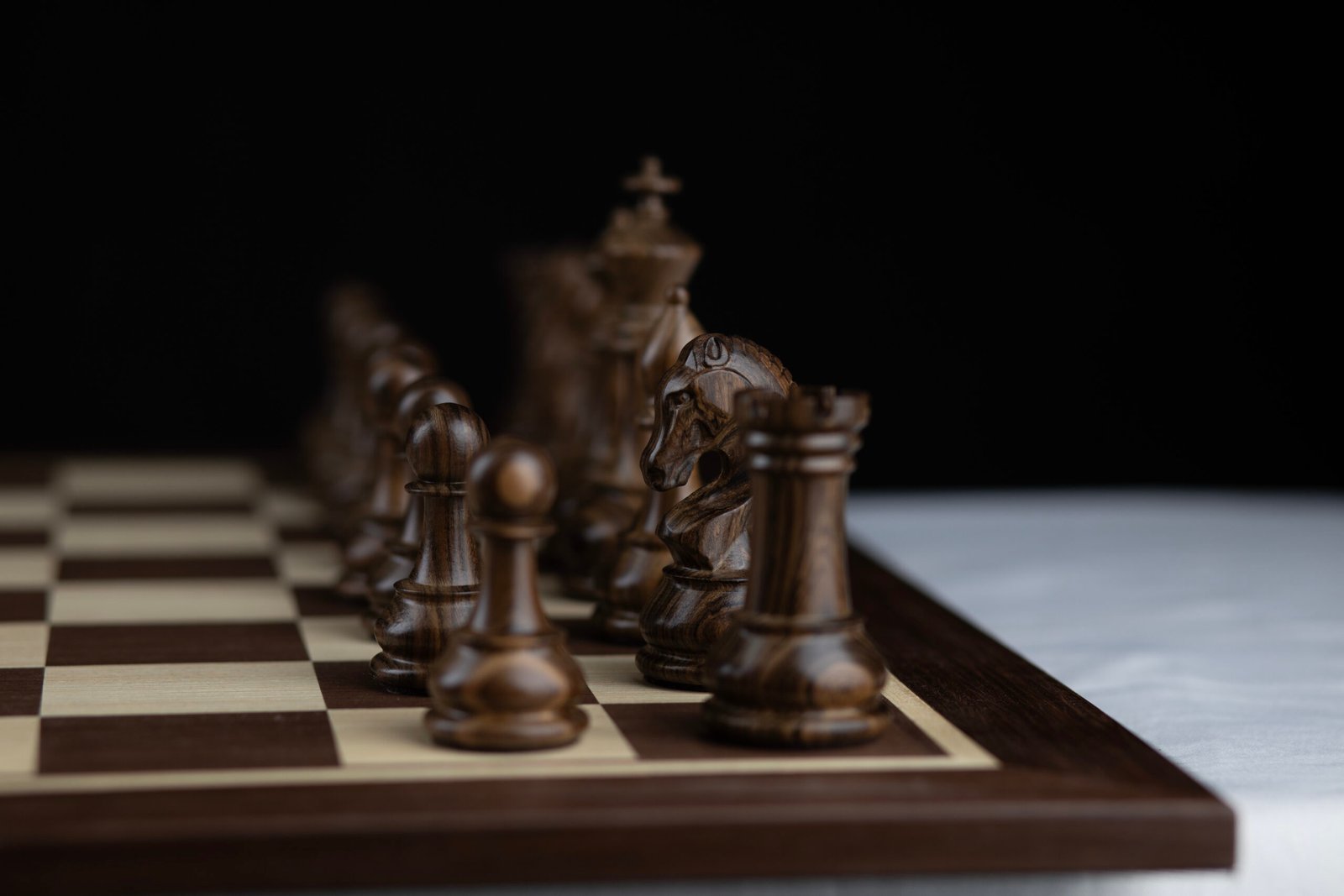
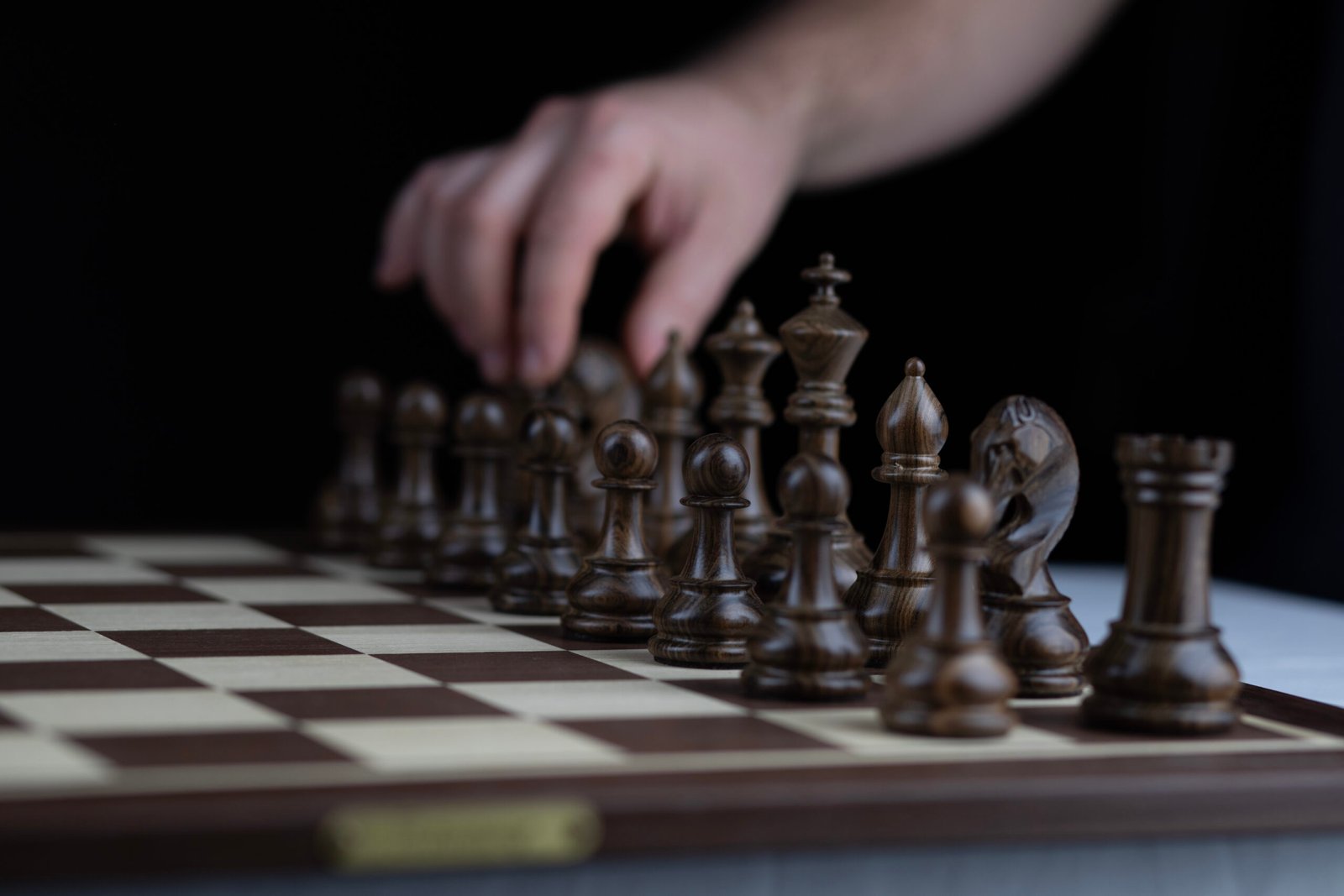
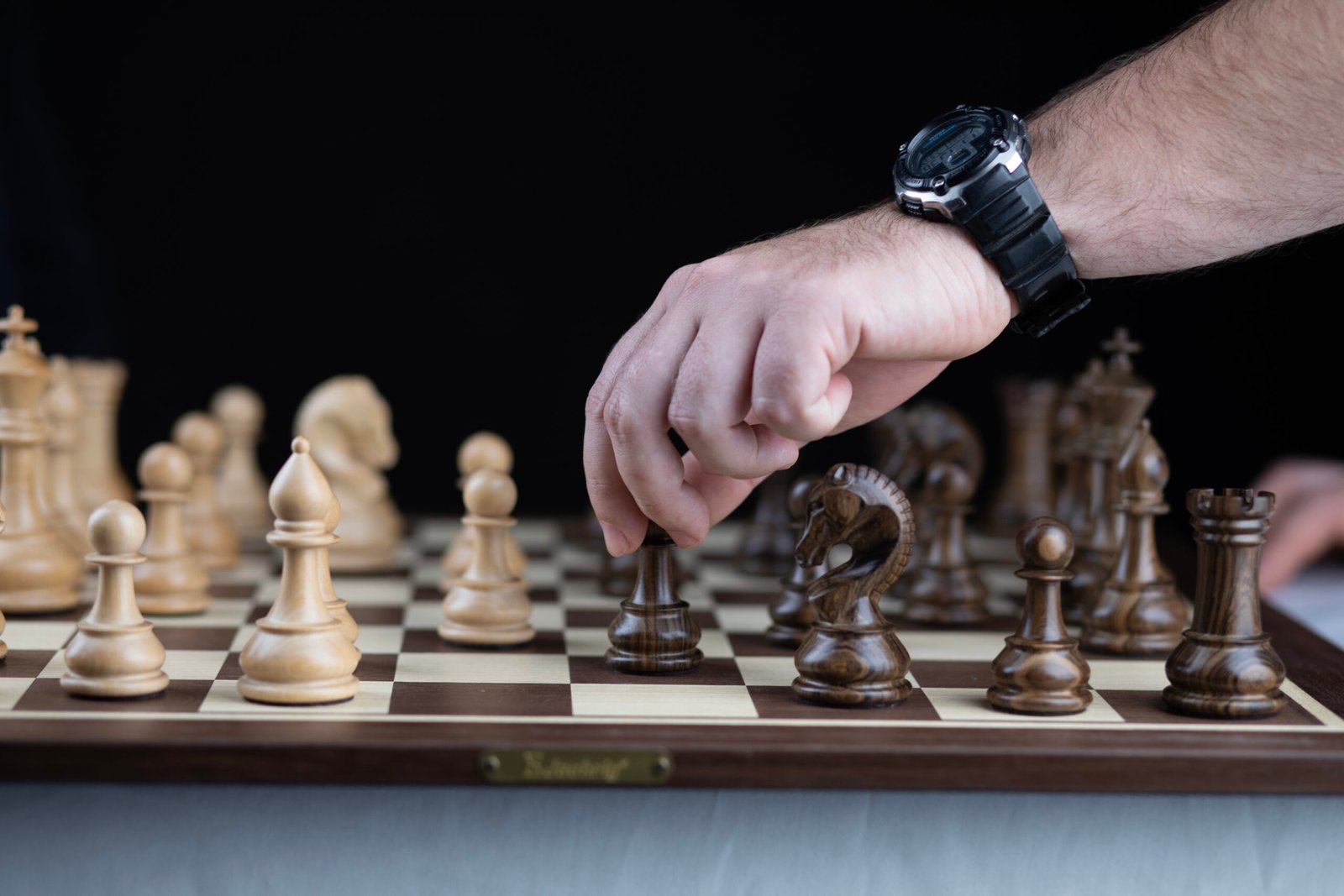
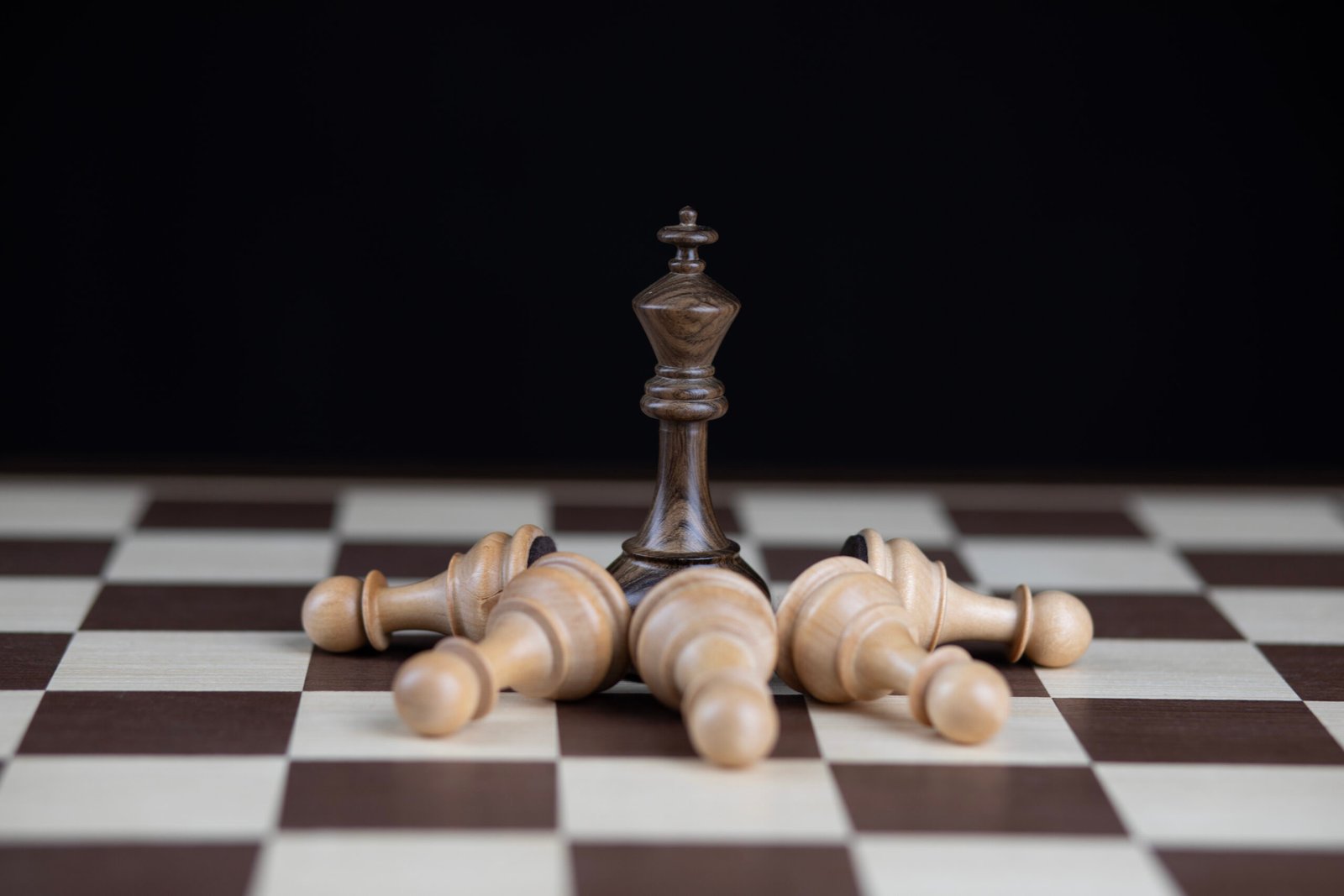
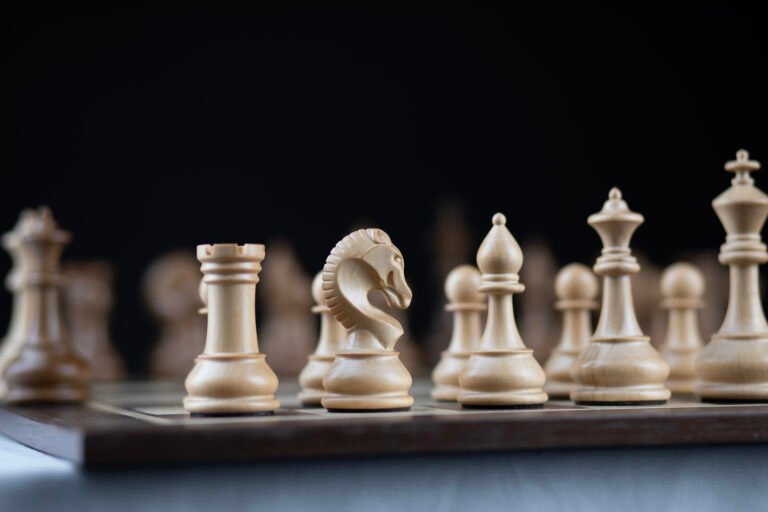
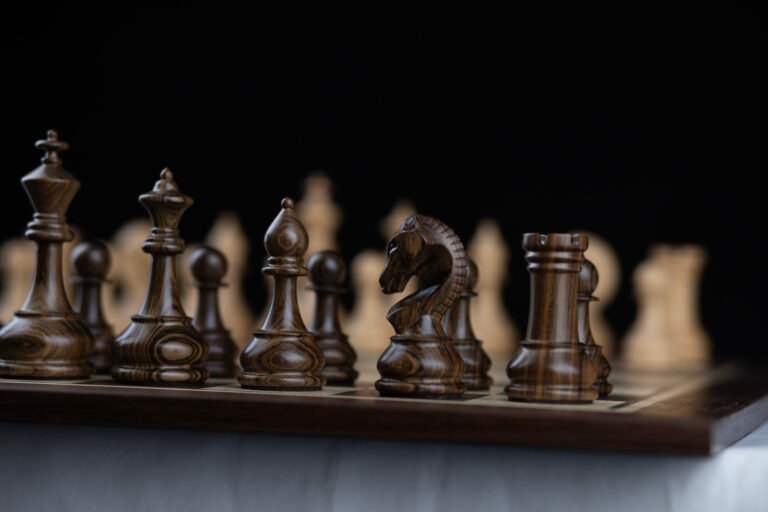
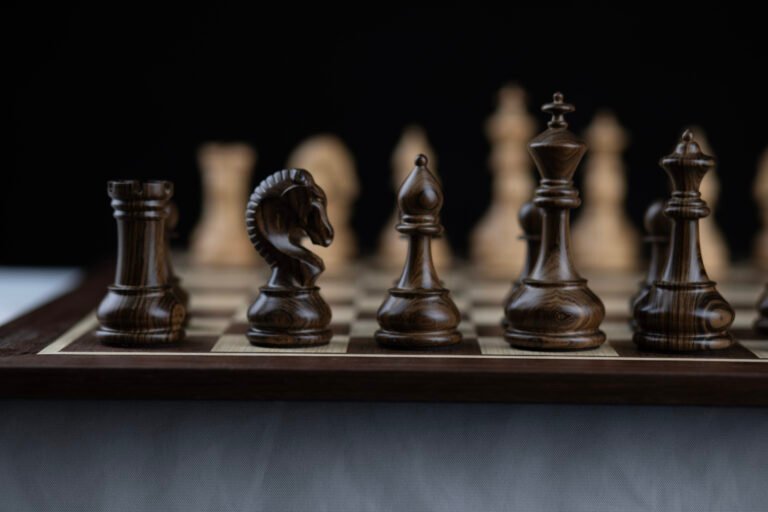
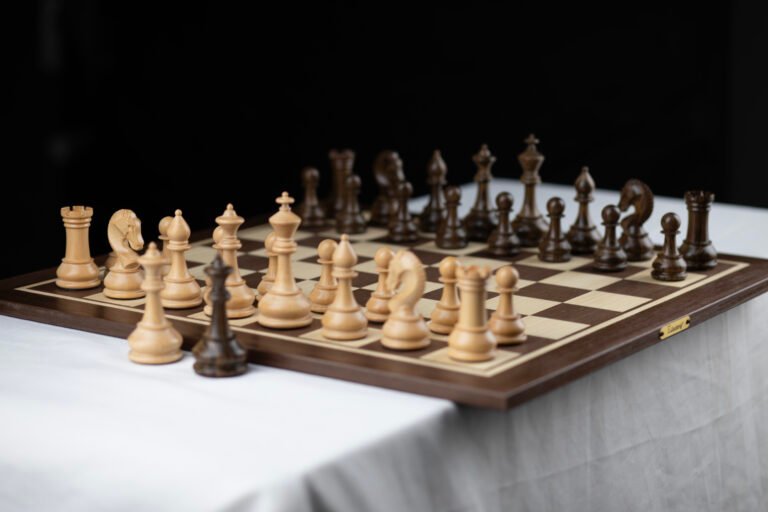
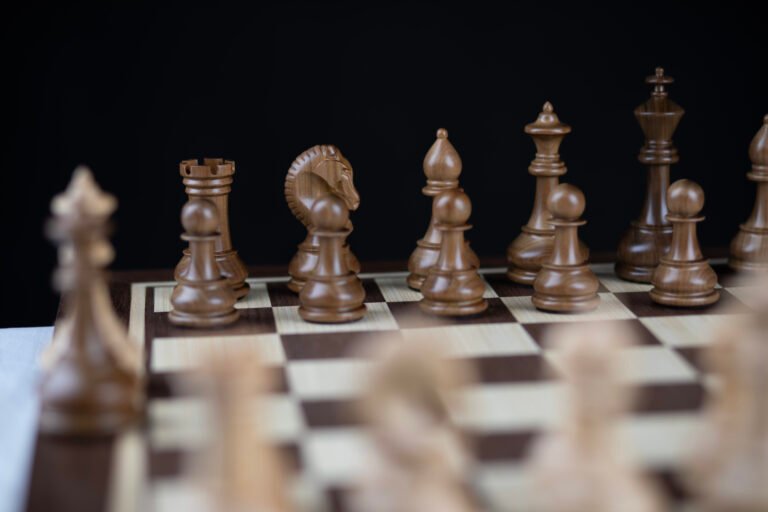
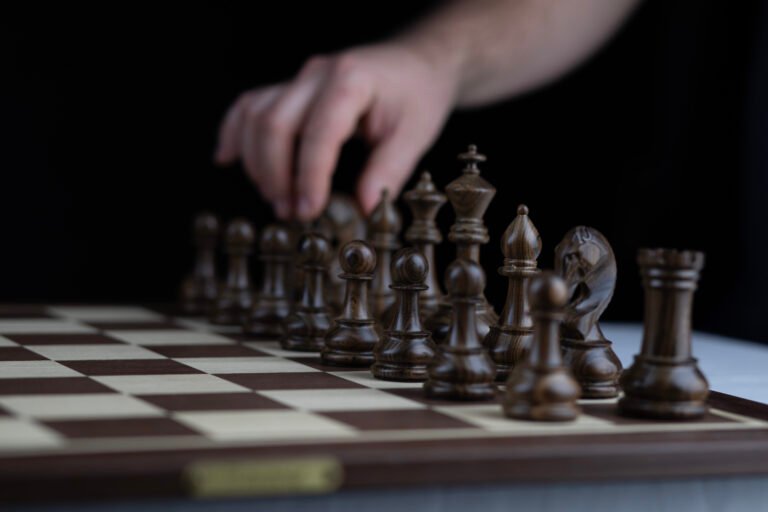
Maintaining the proportions of the classic Staunton design.
Respect for the measures recommended by FIDE regulations for tournament pieces.
Use of a modern and dynamic style in contrast to the classic design manufactured by the Indian industry, which currently dominates the market.
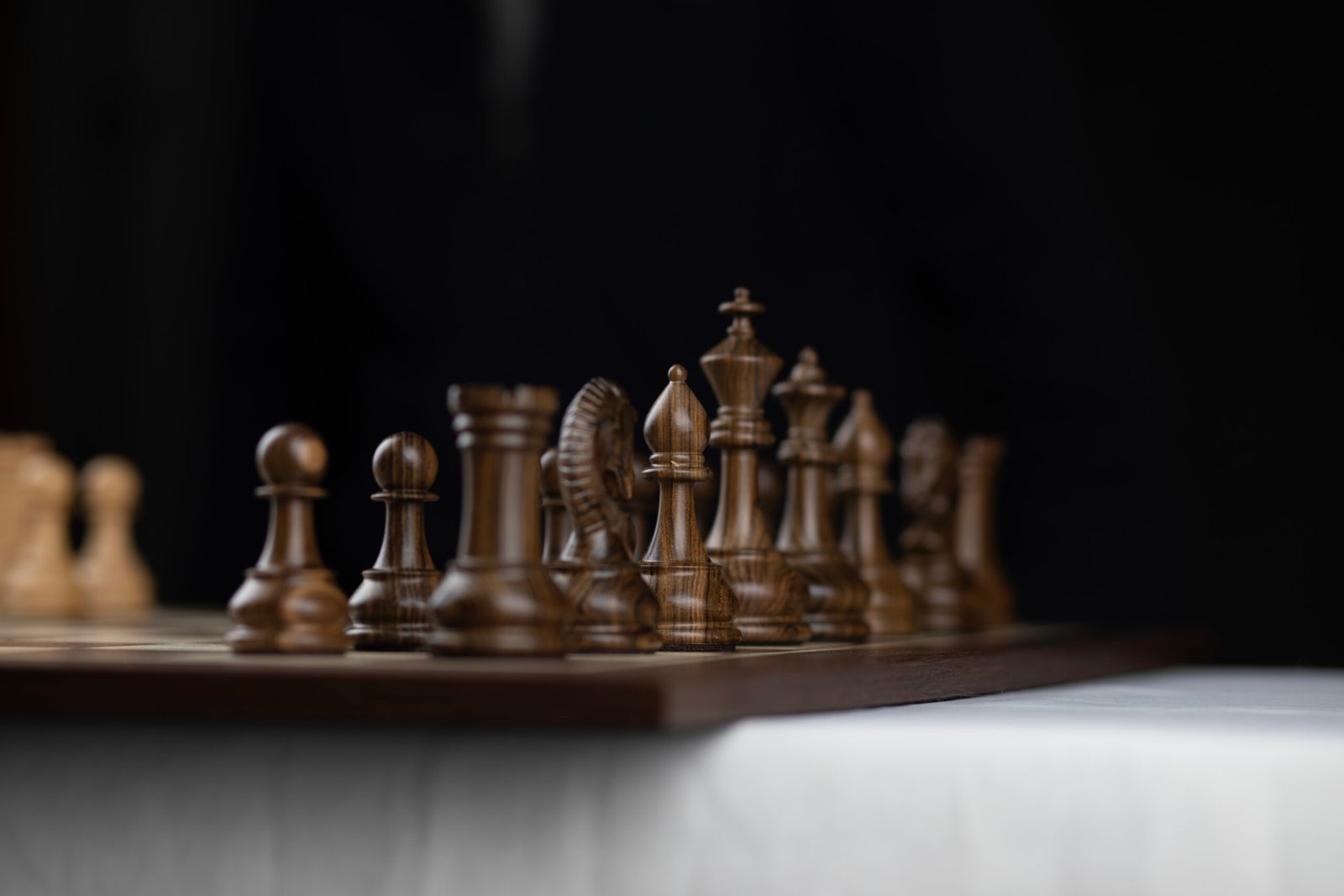
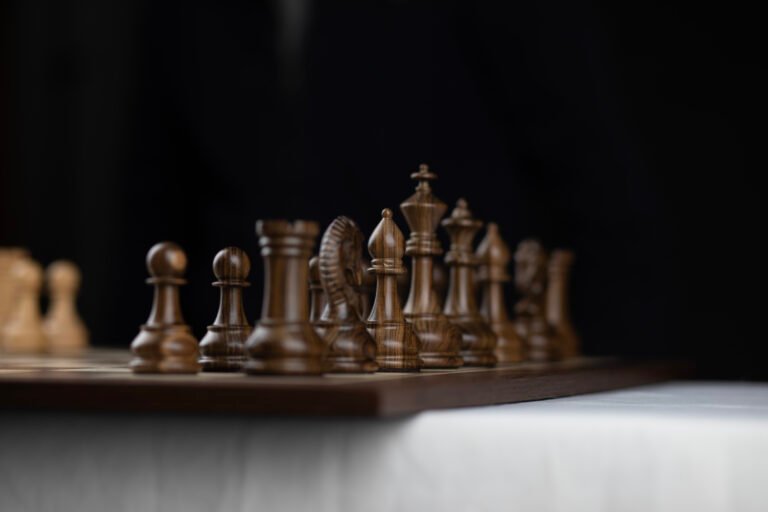
One of the main differences lies in the base of the pieces. In classic models handcrafted by the Indian industry, all bases have the same height, regardless of their diameter. This results in taller pieces having a proportionally higher center of mass than shorter pieces, such as pawns or other shorter pieces.
To address this issue, it was decided to use CNC turning, which allowed the proportionality of the pieces’ bases to be resolved. Considering that the pawn’s height is set at 1, the proportion that should be increased for the other pieces in the game was calculated.
Furthermore, the need to reduce the center of mass of the pieces was considered. To achieve this, the sphere was chosen as the starting point for the base design. The choice of the sphere is based on its ability to enclose the largest volume with the smallest surface area, which contributes to improving the stability of the pieces.
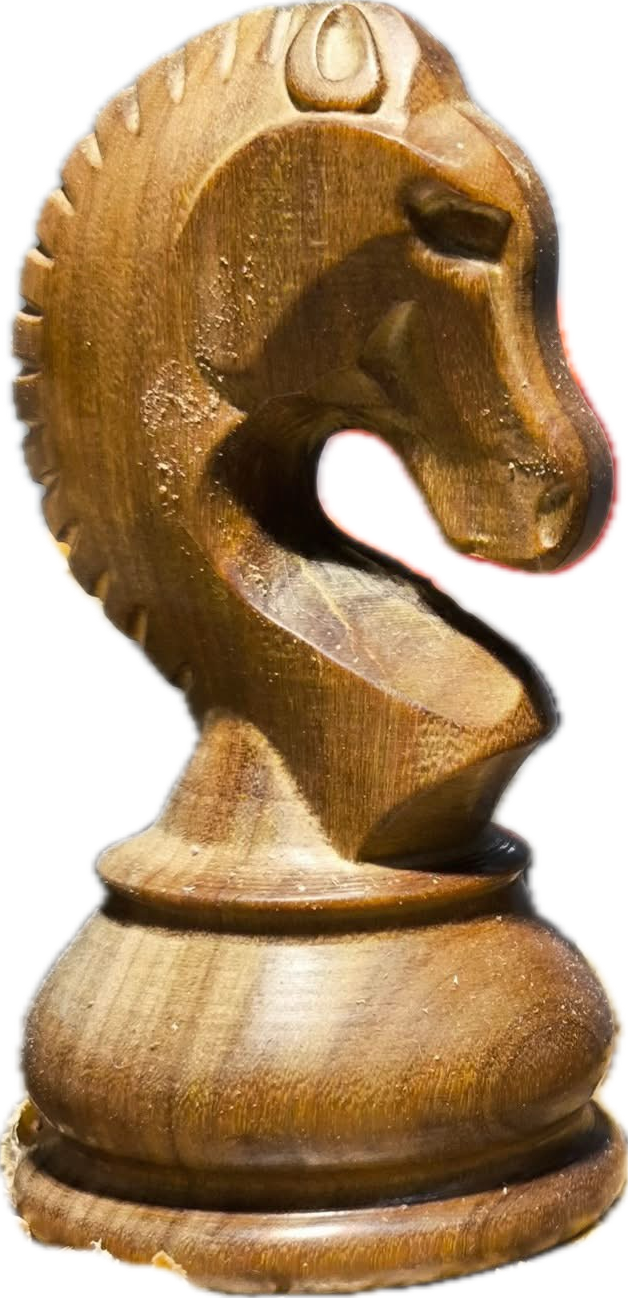
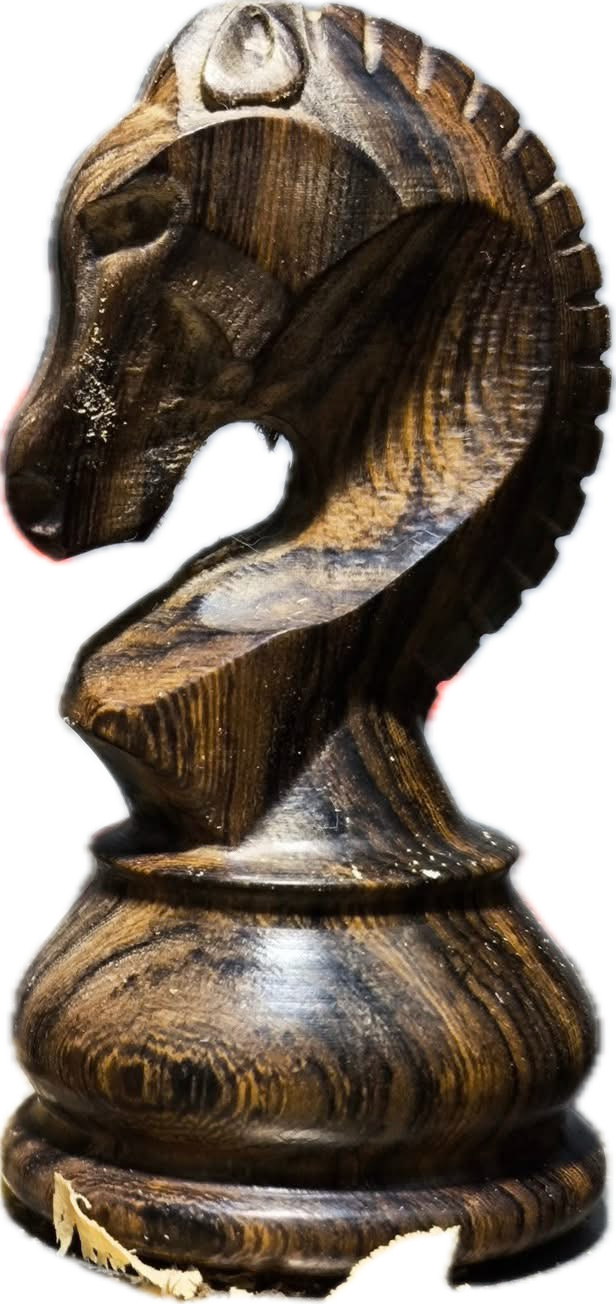
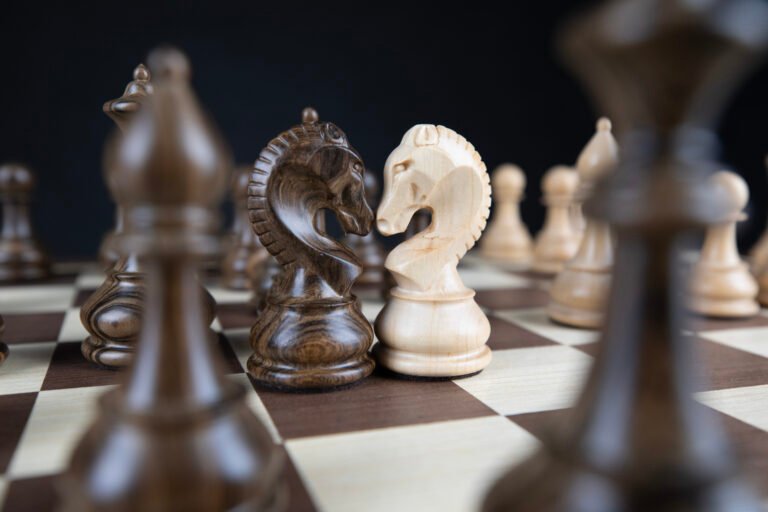
On the other hand, the horse required a different manufacturing method due to its symmetry in a vertical plane. It is not feasible to produce it using a simple turning process, as is done with the other pieces in the set. To manufacture this piece, a CNC router with a fourth rotary axis is used, allowing it to be carved in the material using an indexed rotation. The plate to which the piece is attached does not rotate freely at a constant speed, but rather the number of degrees it must rotate clockwise or counterclockwise is controlled. This capability allows the piece to have a high level of detail, which depends both on the design of the piece itself and the parameters of the tool used for carving.
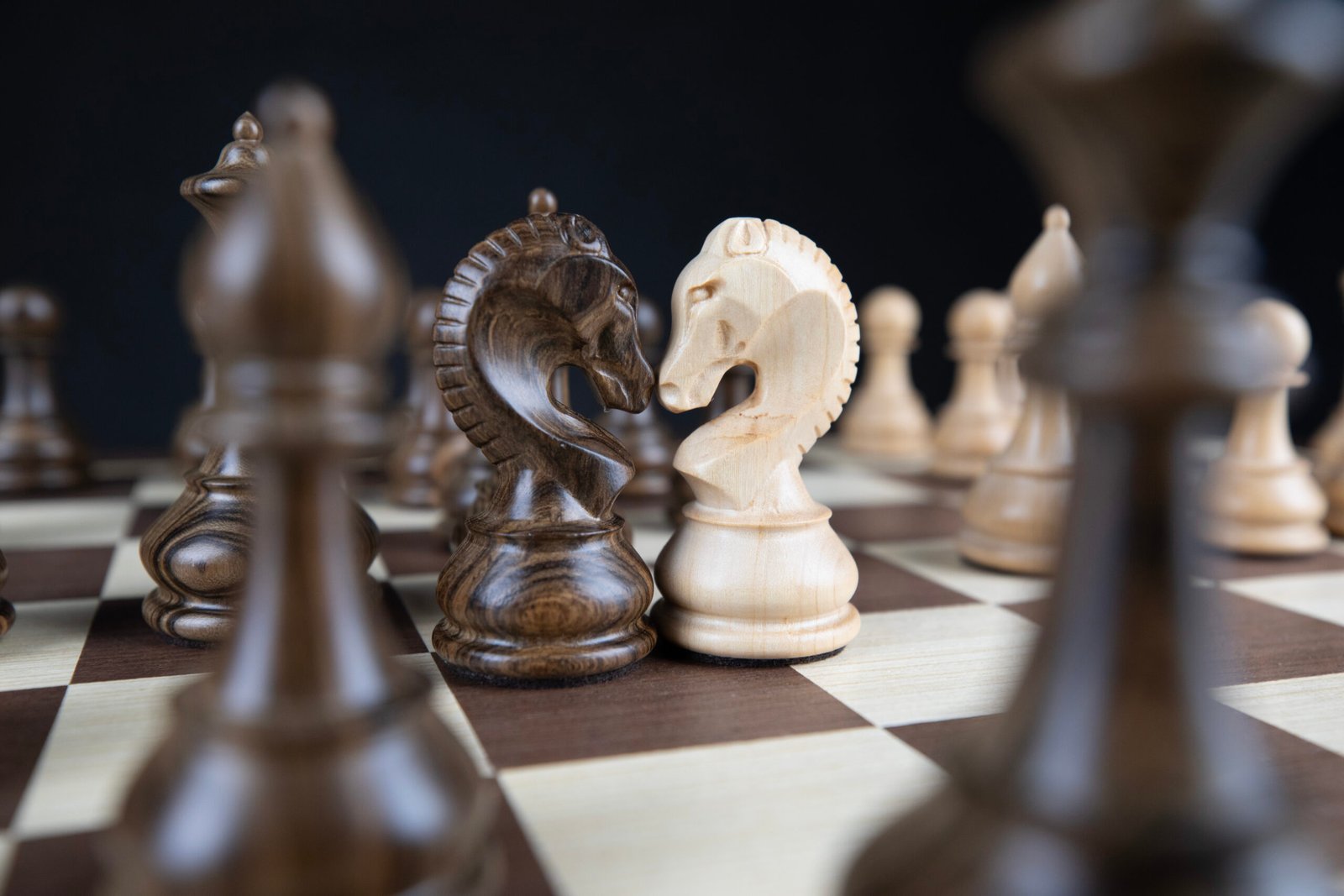
As an aesthetic detail, it was considered that the knight’s gaze should convey determination and a slight impression of aggression, since it represents the figure that enters combat on the board.